Strengthening Women's Health Through Physiotherapy Techniques
Women’s health is a multifaceted topic that encompasses physical, mental, and emotional well-being. As women navigate various life stages—from adolescence to pregnancy, menopause, and beyond—they often face unique health challenges. Physiotherapy offers a range of techniques that can significantly enhance women's health, providing not only relief from pain but also promoting overall wellness. This blog post explores how physiotherapy can empower women to take charge of their health, improve their quality of life, and support their physical and emotional needs.
Understanding Physiotherapy
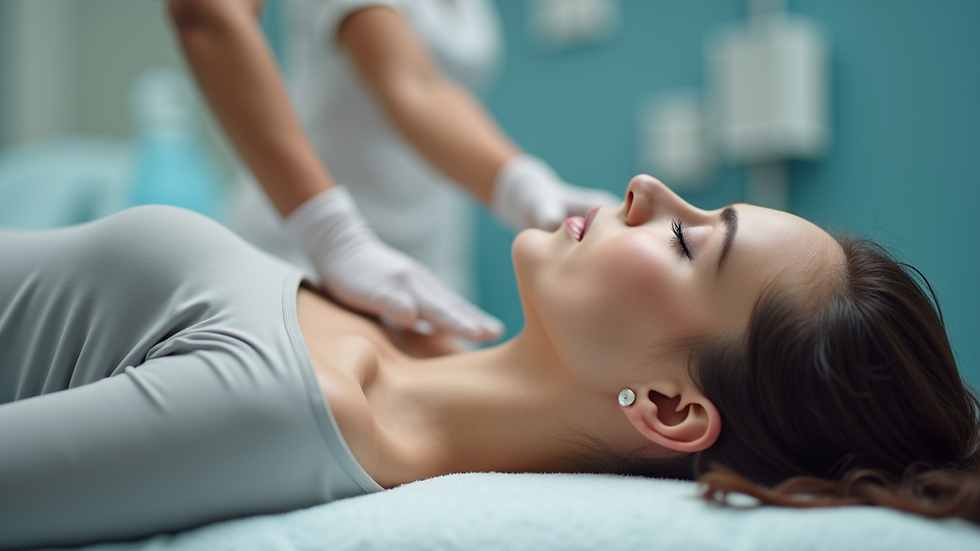
Physiotherapy is a healthcare profession that focuses on the assessment, diagnosis, and treatment of physical impairments and disabilities. It employs various techniques, including exercise, manual therapy, and education, to help individuals regain mobility, reduce pain, and improve overall function.
The Role of Physiotherapy in Women's Health
Physiotherapy plays a crucial role in addressing specific health issues that women may encounter throughout their lives. Here are some key areas where physiotherapy can make a significant impact:
Pregnancy and Postpartum Care: Physiotherapists can help women manage discomfort during pregnancy and support recovery after childbirth. Techniques such as pelvic floor exercises and manual therapy can alleviate back pain, pelvic pain, and other common pregnancy-related issues.
Menstrual Health: Many women experience menstrual pain or conditions like endometriosis. Physiotherapy can provide relief through targeted exercises and manual therapy, helping to reduce pain and improve quality of life.
Menopause Management: As women transition through menopause, they may experience various symptoms, including joint pain and decreased mobility. Physiotherapy can help manage these symptoms through tailored exercise programs and education about maintaining physical health.
Bone Health: Osteoporosis is a significant concern for women, especially post-menopause. Physiotherapists can design strength training programs that help improve bone density and reduce the risk of fractures.
Key Physiotherapy Techniques for Women
1. Pelvic Floor Rehabilitation
Pelvic floor dysfunction is a common issue that can affect women of all ages. Conditions such as urinary incontinence, pelvic pain, and prolapse can significantly impact daily life. Physiotherapists trained in pelvic health can provide specialized assessments and treatments, including:
Biofeedback: This technique uses sensors to provide real-time feedback on pelvic floor muscle activity, helping women learn how to strengthen or relax these muscles effectively.
Manual Therapy: Hands-on techniques can help relieve tension in the pelvic region, improving function and reducing pain.
Exercise Programs: Tailored exercises can strengthen pelvic floor muscles, enhancing support for pelvic organs and improving bladder control.
2. Therapeutic Exercise
Exercise is a cornerstone of physiotherapy and plays a vital role in women's health. Therapeutic exercise programs can be designed to address specific needs, such as:
Strength Training: Building muscle strength is essential for overall health, especially for women at risk of osteoporosis. A physiotherapist can create a safe and effective strength training program tailored to individual needs.
Flexibility and Mobility Exercises: These exercises help maintain joint health and prevent stiffness, which is particularly important for women experiencing hormonal changes.
Aerobic Conditioning: Cardiovascular health is crucial for women, and physiotherapists can guide safe aerobic exercises that fit individual fitness levels and health conditions.
3. Manual Therapy
Manual therapy involves hands-on techniques to manipulate muscles and joints. This approach can be beneficial for women experiencing:
Chronic Pain: Conditions like fibromyalgia or chronic pelvic pain can be addressed through manual therapy, which can help alleviate discomfort and improve mobility.
Post-Surgical Recovery: After surgeries such as hysterectomy or cesarean section, manual therapy can aid in recovery by reducing scar tissue and improving range of motion.
4. Education and Self-Management
Education is a vital component of physiotherapy. Women can benefit from learning about:
Body Mechanics: Understanding proper body mechanics can prevent injuries and improve posture, especially during pregnancy or postpartum.
Pain Management Techniques: Physiotherapists can teach women various pain management strategies, including relaxation techniques and breathing exercises.
Lifestyle Modifications: Guidance on nutrition, exercise, and stress management can empower women to take control of their health and well-being.
Case Studies: Success Stories in Women's Physiotherapy
Case Study 1: Pregnancy-Related Back Pain
Sarah, a 30-year-old expectant mother, experienced severe back pain during her second trimester. After consulting a physiotherapist, she underwent a personalized treatment plan that included pelvic floor exercises and manual therapy. Within weeks, Sarah reported significant pain relief and improved mobility, allowing her to enjoy her pregnancy more fully.
Case Study 2: Postpartum Recovery
Jessica, a new mother, struggled with pelvic pain and incontinence after childbirth. A physiotherapist assessed her condition and provided a tailored exercise program focusing on pelvic floor rehabilitation. Over several sessions, Jessica regained strength and confidence, significantly improving her quality of life.
The Importance of Seeking Professional Help
While many women may benefit from physiotherapy, it is essential to seek professional help for personalized care. A qualified physiotherapist can conduct a thorough assessment, identify specific needs, and develop a tailored treatment plan.
Finding the Right Physiotherapist
When looking for a physiotherapist, consider the following:
Specialization: Look for a physiotherapist with experience in women's health or pelvic floor rehabilitation.
Credentials: Ensure the physiotherapist is licensed and has the necessary qualifications.
Approach: Choose a practitioner whose approach aligns with your health goals and preferences.
Conclusion
Physiotherapy offers a wealth of techniques and strategies to enhance women's health at every stage of life. From pregnancy and postpartum care to managing menopause and improving bone health, physiotherapy can empower women to take charge of their well-being. By seeking professional help and engaging in tailored treatment plans, women can experience improved physical health, reduced pain, and enhanced quality of life.
Take the first step towards better health today by consulting a qualified physiotherapist and exploring how these techniques can support your journey to wellness.


Comments